Backup Generators • Harford County, MD
Backup Generators: Your Key to Managing Maryland’s Hurricane Season
When a tropical system stalls over the Chesapeake Bay, Harford County doesn’t always feel the worst of the wind. It feels the outage. For families in Aberdeen and the surrounding communities, the real disruption is rarely a headline event. It’s the three to seven days without power while crews work down a long restoration list.
When a tropical system stalls over the Chesapeake Bay, Harford County doesn’t always feel the worst of the wind. It feels the outage. The Atlantic hurricane season runs June 1 through November 30, and the mid-Atlantic regularly catches the trailing edge of storms that lose their names but keep their rain and gusts.
For families in Aberdeen and the surrounding communities, the real disruption is rarely a headline event. It’s the three to seven days without power while crews work down a long restoration list. A backup generator is what separates riding out that stretch at home from packing up and leaving.
What Maryland’s Hurricane Season Actually Looks Like
Coastal-adjacent Maryland is more exposed than many homeowners assume. Storms that make landfall to the south often push north as heavy rain and sustained wind, and the low-lying land near the Bay holds water long after the sky clears.
Saturated ground loosens root systems, trees and limbs come down, and they take BGE lines with them. When that happens across a wide area, restoration is not measured in hours. It can stretch across days as crews prioritize hospitals, main feeders, and the largest outages first. A single neighborhood on a rural circuit can be near the end of that list.
What a Backup Generator Does When the Grid Goes Down
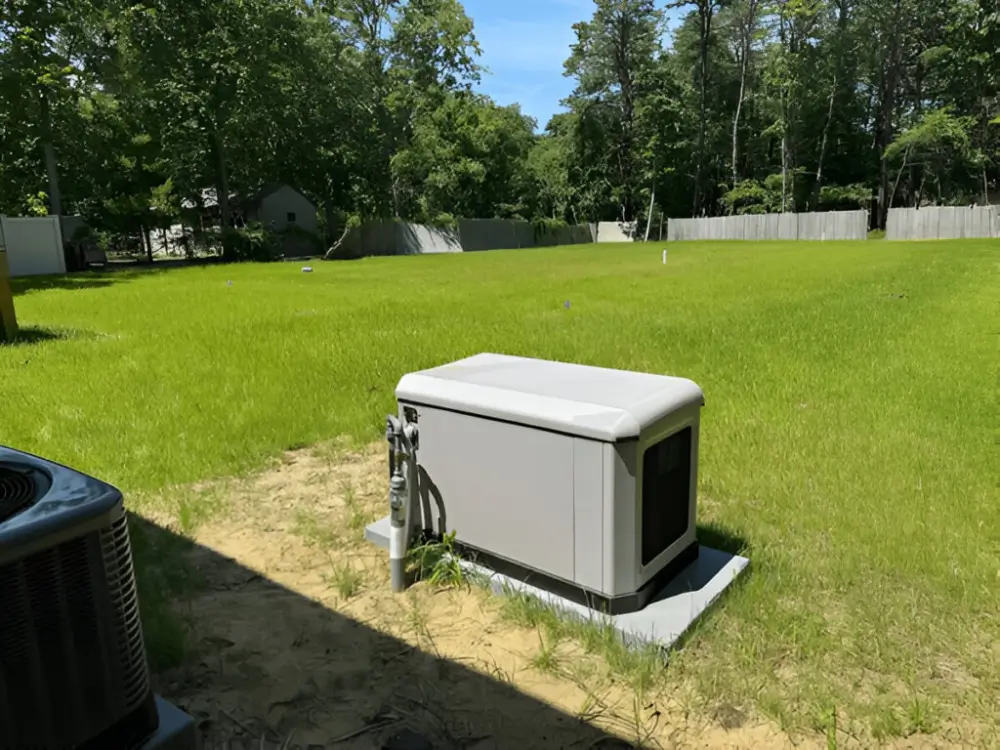
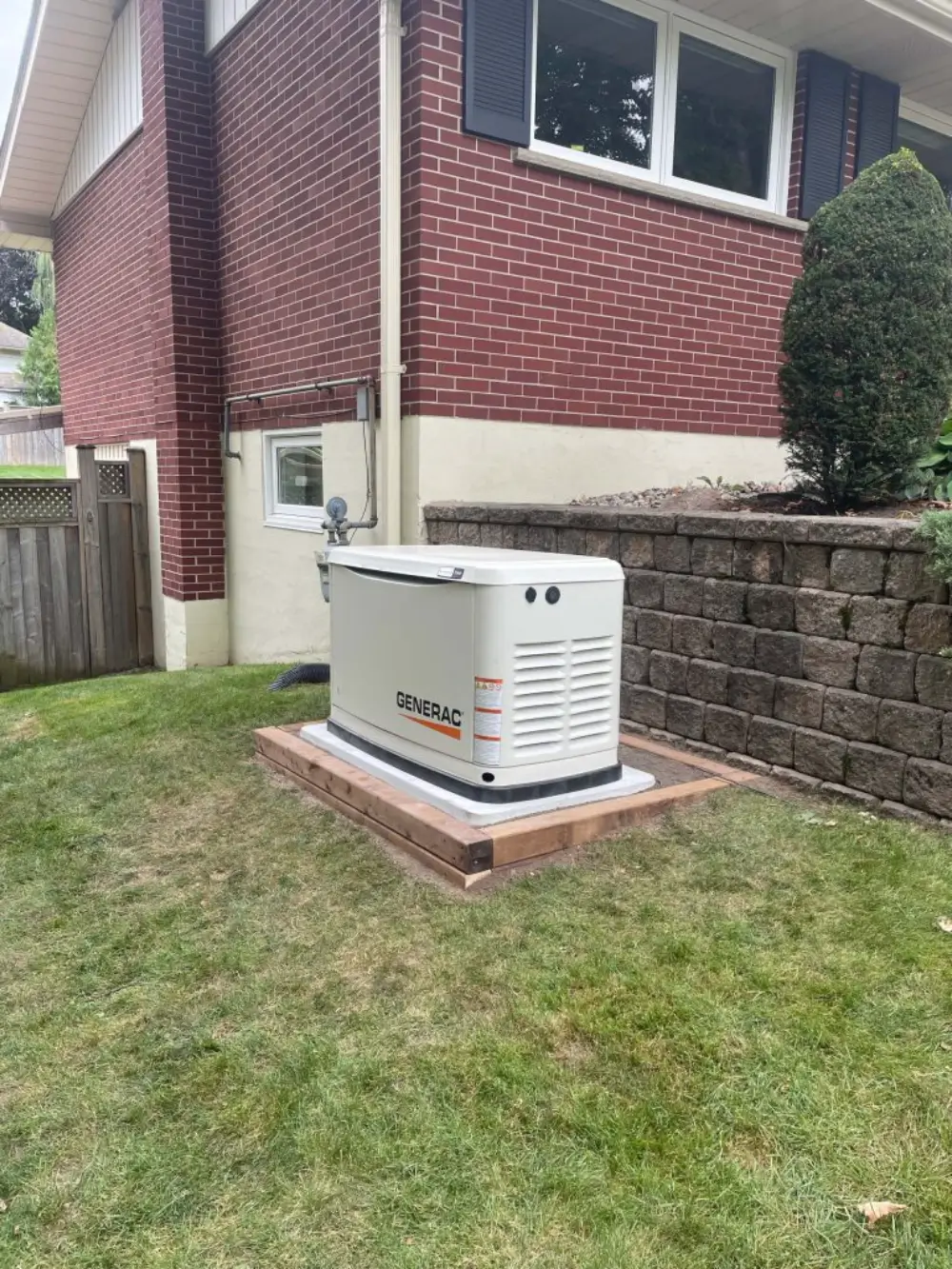
A backup generator keeps your home running when utility power stops. A standby unit senses the outage, starts automatically, and transfers power to the circuits that matter most, usually within seconds.
Sump Pump
Keeps the basement dry when heavy rain and power loss happen together.
Refrigerator
Keeps food safe during outages that last longer than a few hours.
HVAC System
Holds a livable temperature when the grid is down.
Medical Equipment
Keeps essential powered devices on during an outage.
That means the sump pump keeps the basement dry, the refrigerator keeps food safe, the HVAC system holds a livable temperature, and any medical equipment stays on. Lights stay up, phones stay charged, and the household keeps functioning while neighbors sit in the dark.
Without a generator, an outage turns into flashlights, spoiled groceries, a flooding basement, and a scramble for a hotel room. With one, the storm becomes an inconvenience rather than an emergency. Proper circuit protection ensures the generator powers the right loads safely without overloading the system.
Whole-Home vs. Portable: Choosing a Home Backup Generator
There are two home backup generator options that most homeowners consider. The “right” one for you depends on how much protection your household wants.
| Generator Type | Setup | Coverage | Best For |
|---|---|---|---|
| Portable Generator | Manual setup, refueling, extension cords, and outdoor operation. | A few essentials, not the whole house. | Homeowners looking for a cheaper upfront option. |
| Whole-Home Standby Unit | Permanently installed, runs on natural gas or propane, and starts on its own. | The entire home or every essential circuit. | Families who do not want to be outside in a storm. |
A portable generator is cheaper up front, but it requires manual setup, refueling, and extension cords, and it must run outdoors in the weather. It covers a few essentials, not the whole house.
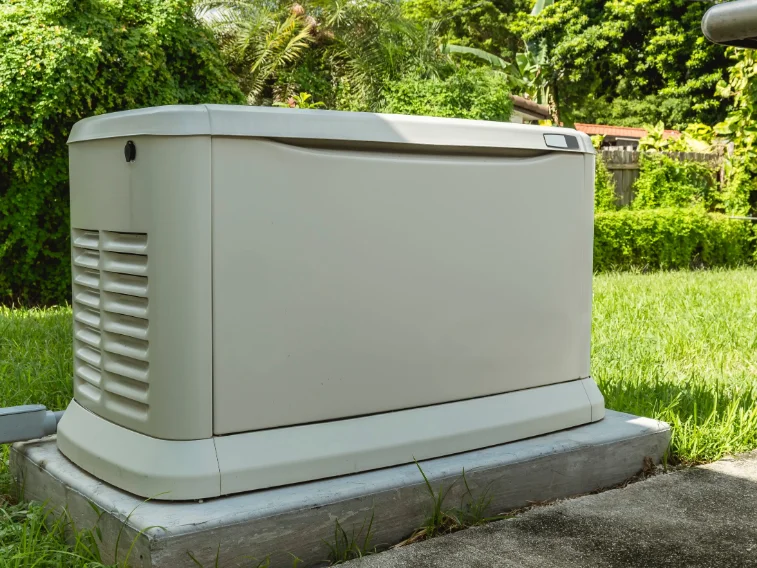
A whole-home standby unit is the low-hassle choice for families who do not want to be outside in a storm. A home backup generator of this type is installed permanently, runs on natural gas or propane, starts on its own, and powers the entire home or every essential circuit without anyone lifting a finger. There is no fuel to haul and no cords to run.
For most Harford County families, the automatic standby model is worth the higher investment because it works whether or not anyone is home when the power fails. A whole-home unit often calls for adequate electrical capacity, so a panel upgrade is sometimes part of the plan.
Generators and Safety: What Most People Overlook
The most dangerous mistake with generators is carbon monoxide. Portable units must never run indoors, in a garage, or near open windows, because the exhaust is colorless, odorless, and deadly. Standby units are placed outdoors at a safe distance from the home by design, which removes most of that risk. Either way, working carbon monoxide detectors are essential during any period of generator use.
There is a second, quieter risk. When utility power snaps back after an outage, it can return with a surge that damages electronics and appliances. Whole-home surge protection guards against that spike so the moment of restoration does not cost you a television, a furnace board, or a laptop.
Prep Your Electrical System Before the Season Peaks
A generator is only as reliable as the system it feeds. Aging panels, breakers that trip under normal load, and worn wiring all get worse when a generator is carrying the house. The time to find those weak points is before a storm, not during one. A pre-season inspection catches the problems that fail at the worst moment.
Homeowners who notice frequent tripping, warm outlets, flickering lights, or a panel more than a couple of decades old should have it checked. Prompt electrical repairs and up-to-date panel services mean the system can carry generator load safely when hurricane season arrives. Peak activity in the Atlantic tends to fall in late summer and early fall, so late spring is the ideal window to get ahead of it.
Installation and Ongoing Service Are Critical For Your Generator’s Function
Sizing a generator correctly isn’t guesswork. An undersized unit will not carry the home, and an oversized one wastes money. Professional generator installation covers load calculation, code-compliant placement, fuel connection, and transfer switch wiring, so the system does exactly what it should the first time power fails. Ongoing generator repair and maintenance keep it ready year after year, because a standby unit that has not been serviced is a gamble when the storm arrives.
Benfield Electric has served Harford County and the greater Baltimore area since 1968. As a family-owned company with same-day service availability, the team understands that when a storm is bearing down, timing is everything. That local presence and long track record are why families across the region trust Benfield with their storm readiness.
Be Ready Before the Next Storm
Every hurricane season brings the same lesson: the homes that stay comfortable through a multi-day outage are the ones that prepared before the forecast turned serious. A backup generator, a healthy electrical system, and a plan in place mean the next storm is something you weather at home rather than flee. Benfield Electric brings more than 50 years of experience, same-day service, and deep Harford County roots to every job. Schedule your generator consultation and pre-season inspection now, before peak season arrives.